

Technical Data Sheet MSDS for Polymeric Aluminum Chloride
Release time:
2024-11-29
Technical Data Sheet MSDS for Polymeric Aluminum Chloride
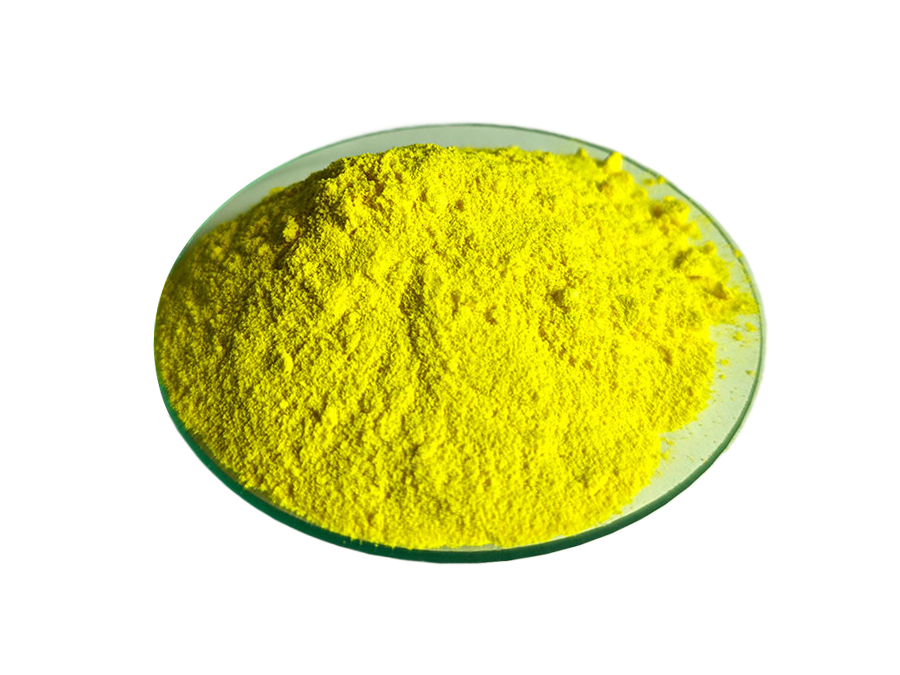
Technical Data Sheet MSDS for Polyaluminium Chloride
Section 1: Chemical Name
【Chemical Name】: Polyaluminium Chloride
【Chinese Name】: Basic Aluminium Chloride; Polyaluminium Chloride; Hydroxy Aluminium Chloride; Water Purifier
【English Name】: Polyaluminium Chloride
【Molecular Formula】: Al2Cl(OH)5
【Molecular Weight】: 174.45
【Hazard Class】: Class 8.1 Acidic Corrosive Material
Section 2: Composition/Information on Ingredients
【Main Component】: Al2Cl(OH)5
【CAS Number】: 1327-41-9
Section 3: Hazard Overview
【Route of Entry】: Ingestion
【Health Hazards】: This product is corrosive to skin and mucous membranes. Inhalation of high concentrations can cause bronchitis, and in some individuals, bronchial asthma. Ingesting a large amount can cause oral erosion, gastritis, gastric bleeding, and mucosal necrosis. Chronic effects: Long-term exposure can lead to symptoms such as headaches, dizziness, loss of appetite, cough, nasal congestion, and chest pain.
Section 4: First Aid Measures
【Skin Contact】: Immediately remove contaminated clothing and rinse the affected area with plenty of flowing water for at least 15 minutes. Seek medical attention.
【Eye Contact】: Immediately lift the eyelids and rinse thoroughly with plenty of flowing water or saline for at least 15 minutes. Seek medical attention.
【Inhalation】: Quickly leave the site to an area with fresh air. Keep the airway clear. If breathing is difficult, provide oxygen. If breathing stops, perform artificial respiration immediately. Seek medical attention.
【Ingestion】: Rinse mouth with water and give milk or egg white. Seek medical attention.
Section 5: Firefighting Measures
【Flash Point】: Not applicable
【Lower Explosive Limit】: Not applicable
【Ignition Temperature】: Not applicable
【Upper Explosive Limit】: Not applicable
【Extinguishing Method】: Firefighters must wear full acid and alkali resistant protective clothing. Extinguishing agent: dry sand.
Section 6: Emergency Response to Leaks
【Emergency Response to Leaks】: Isolate the contaminated area and restrict access. It is recommended that emergency responders wear dust masks and acid-alkali resistant work clothing. Do not directly touch the leaked material. For small leaks: Avoid dusting and collect with a clean shovel into a sealed container. For large leaks: Cover with plastic sheeting or canvas. Handle under expert guidance.
Section 7: Handling and Storage
【Storage and Transportation Precautions】: Store in a cool, dry, well-ventilated warehouse. Keep away from fire sources and heat sources. Maintain relative humidity below 75%. Packaging must be sealed and kept dry. Should be stored separately from flammable materials, alkalis, alcohols, etc., and avoid mixed storage. Not suitable for long-term storage to prevent deterioration. The storage area should be equipped with suitable materials to contain leaks. During railway transport, strictly follow the dangerous goods loading table in the Ministry of Railways' "Regulations on the Transport of Dangerous Goods". Ensure packaging is intact at departure, and loading is secure. During transport, ensure containers do not leak, topple, fall, or get damaged. Mixing with flammable or combustible materials, alkalis, alcohols, or edible chemicals is strictly prohibited. Transport vehicles should be equipped with leak emergency response equipment. Protect from exposure to sunlight, rain, and high temperatures during transport.
Section 8: Exposure Controls/Personal Protection
【MAC】: No standard established
【Former Soviet Union MAC】: 2[Al]
【Detection Method】: Titration
【Engineering Controls】: Closed operation, local exhaust ventilation. Provide shower and eyewash facilities.
【Respiratory Protection】: When dust may be encountered, wear self-absorbing filter dust masks. In emergencies or evacuations, it is recommended to wear air respirators.
【Eye Protection】: Wear chemical protective goggles.
【Body Protection】: Wear rubber acid-alkali resistant clothing.
【Hand Protection】: Wear rubber acid-alkali resistant gloves.
【Other Protection】: Eating and drinking are prohibited in the workplace. After work, shower and change clothes. Store contaminated clothing separately and wash before reuse. Maintain good hygiene practices.
Section 9: Physical and Chemical Properties
【Appearance and Properties】: Light yellow liquid/yellow powdery solid
【Main Uses】: Polyaluminium Chloride is a flocculant, mainly used for purifying drinking water, and also for special water quality treatment, removal of iron, cadmium, fluoride, radioactive pollution, and floating oil. It is also used in industrial wastewater treatment, such as dyeing wastewater, and has wide applications in casting, papermaking, pharmaceuticals, and leather making.
It is also used in industrial wastewater treatment, such as dyeing wastewater, and has wide applications in casting, papermaking, pharmaceuticals, and leather making.
【Melting Point】: 190 (253 kPa)
【Boiling Point】: No data
【Relative Density (water=1)】: 1.26
【Relative Density (air=1)】: No data
【Saturated Vapor Pressure】: 0.13 (100℃)
【Logarithm of Octanol/Water Partition Coefficient】: No data
【Heat of Combustion】: Not applicable
【Critical Temperature】: No data
Critical Pressure: No data
Solubility: Easily soluble in water, alcohol, chloroform, carbon tetrachloride, slightly soluble in benzene
Part Ten: Stability and Reactivity
Stability: Stable
Polymerization Hazard: No data
Incompatible Materials: Flammable or combustible materials, alkalis, water, alcohols.
Part Eleven: Toxicological Information
Acute Toxicity: LD50: 3730 mg/kg (oral, rat)
Corrosiveness: No data
Subacute and Chronic Toxicity: No data
Reproductive Toxicity: No data
Carcinogenicity: No data
Mutagenicity: No data
Part Twelve: Ecological Information
Environmental Information: None
Part Thirteen: Disposal Considerations
Waste Disposal Method: Dispose of according to relevant regulations. Or contact the manufacturer to determine disposal methods.
Part Fourteen: Transport Information
Hazardous Regulation Number: 81045
UN Number: UN 1726
Packaging Classification: 052
Packaging Method: Tank truck
Part Fifteen: Regulatory Information
Regulatory Information: Regulations on the Management of Chemical Hazardous Substances
Tag:
Previous
recommend News
Share



Contact Information
Contact Phone:
Contact E-mail:
Contact Address:
Qinbei Industrial Park, Qinyang City, Henan Province

sweep
Learn more about product information